
Forget Buddy Holly. The real death of the American progressive dream didn't happen in a 1959 plane crash—it happened when the counterculture traded its soul for a stock portfolio and a cable subscription.
The conventional wisdom of American political history tells us that the progressive, New Deal era died with the election of Ronald Reagan in 1980. But Reagan’s first two years were mired in a brutal recession. The actual cultural paradigm shift—the exact moment the heart monitor of the 1960s liberation ethos flatlined—happened in 1983.
1983 was the year the American left stopped trying to dismantle the capitalist machine and instead asked for a seat on its board of directors. It was the year collective action was replaced by hyper-individualism, and the year rebellion became just another corporate aesthetic.
The Privatization of Tomorrow
To understand the death of the American future, you only need to look at what happened to our utopias.
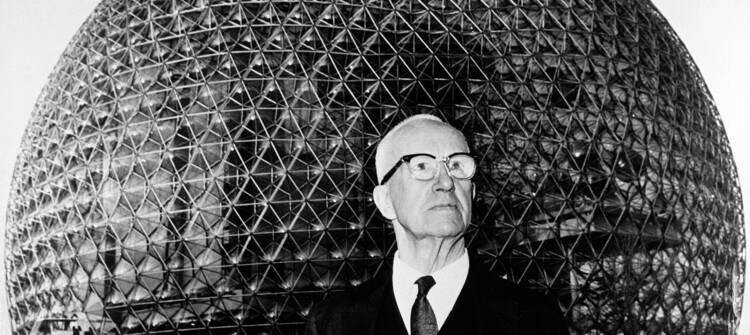
On July 1, 1983, Richard Buckminster Fuller died. Fuller was the ultimate architectural philosopher of the 1960s and 70s counterculture—the man who coined the term "Spaceship Earth" and believed humanity could design its way out of poverty and ecological collapse through collective, sustainable ingenuity.
With his death, the mid-century dream of a shared, equitable future died too. What replaced it? EPCOT Center.
Though it opened in late 1982, 1983 was the year EPCOT became the new baseline for the American imagination. Walt Disney’s original vision for EPCOT was an actual, functioning socialist-adjacent utopian city with public transit and high-density housing. But by the time it opened, the corporate machine had gutted the concept. Instead of a real city, we got a heavily sponsored theme park. The "future" was no longer a place we were going to build together; it was a General Motors and Exxon-sponsored pavilion you bought a ticket to look at. The utopian impulse had been successfully privatized.
From the Dancefloor to the Telescreen
This privatization of the public sphere mirrored a violent shift in the music and entertainment world. By 1983, the collective, sweat-drenched, racially integrated, and queer-friendly sanctuary of Disco was officially dead and buried.
In its place rose the undisputed cultural monolith of 1983: MTV.
 MTV fundamentally changed how Americans consumed culture. We moved away from the collective physical experience of the dance club or the protest rally, and retreated into our private living rooms to stare at a screen. Rebellion was no longer something you did; it was something you watched.
David Bowie had seen this coming a few years earlier with his haunting track "Ashes to Ashes," but by 1983, its thesis was our grim reality. Bowie revisited Major Tom—the ultimate symbol of 1960s space-age optimism—only to reveal him as a burnt-out junkie stranded in a cynical orbit. The idealism of the 60s wasn't a launchpad; it was just a drug trip, and the comedown was excruciating.
Even independent media was screaming a warning. The 1983 animated cult classic Rock & Rule perfectly captured this dystopian transition. The film imagines a post-apocalyptic world where a demonic, corporate mega-pop-star attempts to summon an actual demon through anodyne, focus-grouped music. It was a searing indictment of the music industry—a prophecy that the entertainment monopolies were actively strip-mining the soul of rock and roll to feed a purely capitalist beast.

The Boomer Surrender
While pop culture was being sanitized, the political left was orchestrating its own surrender.
In September 1983, Hollywood released The Big Chill, a film that served as the ultimate eulogy for the counterculture. It featured a group of former 1960s student radicals reuniting in their 30s, only to realize they had all sold out to become lawyers, marketing executives, and real estate tycoons. The film didn't condemn them; it comforted them. It gave the Boomer generation psychological permission to abandon their radical youth and embrace Yuppie affluence.
This cultural surrender perfectly mapped onto the political landscape. 1983 was the year the "Atari Democrats" fully took the reins of the party. Politicians looked at Reagan’s emerging recovery—built on crushed unions, deregulated markets, and Wall Street cocaine—and decided, if you can’t beat them, join them. They abandoned the working class to the Rust Belt and began courting the affluent, educated suburbanites.

The Birth of the 1984 Reality
1983 was the preamble to 1984. It was the year the ruling class realized they didn't need to arrest dissidents; they just needed to commodify them.
The modern phenomenon of "woke capitalism"—where mega-corporations bust unions while flying Pride flags, and politicians scold the working class for their vocabulary while ignoring their material poverty—was born here. When the music died in 1983, it wasn't a tragic accident. It was a hostile corporate takeover.
The False Maria of Corporate Liberalism
Nearly sixty years before this cultural tipping point, the blueprint for this exact capitalist sleight of hand was laid out in Fritz Lang’s 1927 cinematic masterpiece, Metropolis. Lang’s silent epic depicted a hyper-capitalist dystopia fundamentally severed in two: a glittering, sunlit upper world inhabited by an affluent, intellectual managerial class, and a grim, subterranean hellscape where the working class toiled on brutal, relentless machines. What Lang prophesied was not just the economic reality of the 1980s Rust Belt collapse, where the "New Democrats" permanently retreated to the sunlit towers of Silicon Valley and Wall Street. He accurately predicted the exact psychological warfare the ruling class would use to pacify the depths.
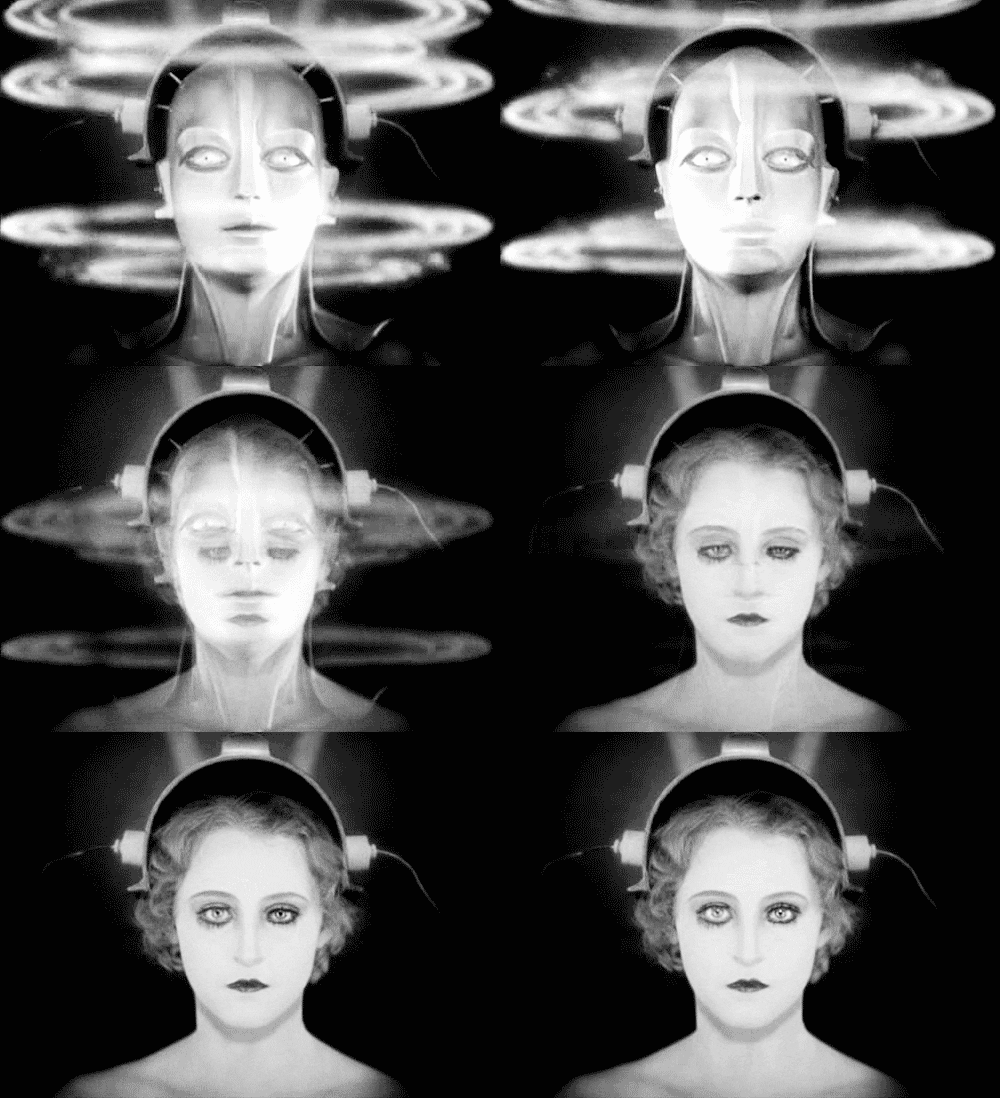
The genius of Metropolis lies in the creation of the Maschinenmensch—the robot. When the city’s capitalist overlord realizes the workers are uniting behind a genuine, radical labor leader named Maria, he doesn't just assassinate her; he commissions a mad scientist to build a mechanized, soulless replica wrapped in her skin. This "False Maria" is unleashed upon the workers, using the exact aesthetic, language, and fervor of liberation, but she is secretly programmed to serve the elite. In 1983, the American corporate machine built its own False Maria. By co-opting the fashion, the music, and the progressive vocabulary of the 1960s counterculture—airing it on MTV, packaging it in The Big Chill, and integrating it into Democratic Party platforms—the establishment hijacked the aesthetic of rebellion. They gave the public the intoxicating thrill of dissent while ensuring that actual, material revolution was neutralized.
Lang famously ended his film with the thesis that "the mediator between the head and the hands must be the heart," a role historically claimed by the political left. But the tragedy of 1983 is that the "heart" was successfully replaced by a synthetic replica. The corporate liberalism that emerged from the early 80s offered the illusion of a conscience—performative empathy, diversity aesthetics, and moralizing language—while structurally defending the billionaires at the top.
The "hands" of the working class were abandoned to the crumbling factories below, while the "head" of the capitalist class learned that the cheapest way to prevent a riot was simply to mass-produce the revolutionary flags and sell them back to the workers at a premium.